
Samurai Series/Takanoha/History
Who carried the hawk feathers?
Two crossed hawk feathers in a ring: one of the most widely borne crests in Japan, and the mark of the Asano, whose lord’s death set forty-seven of his retainers on the most famous act of loyalty in Japanese history.
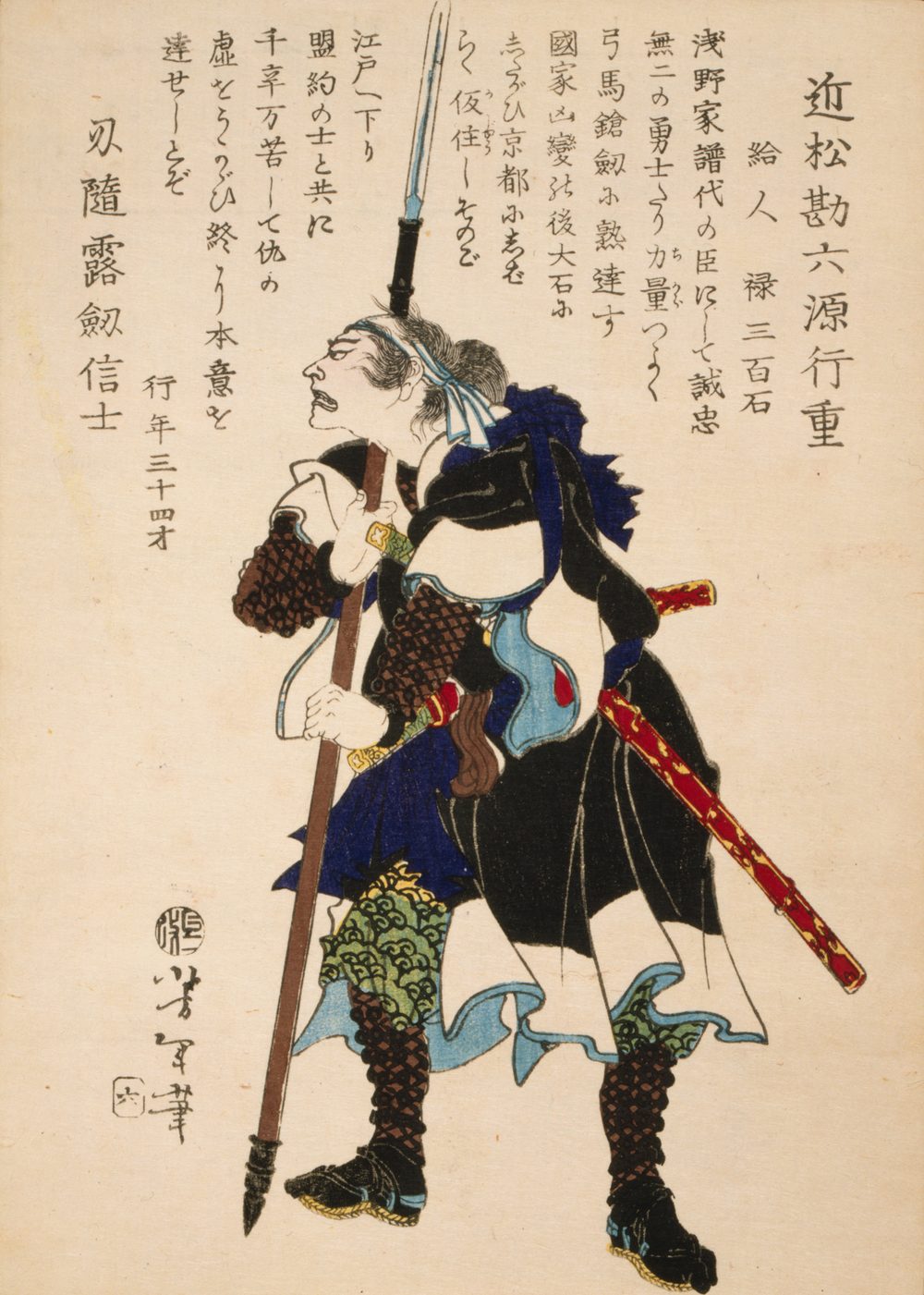
The Takanoha Edition carries maru ni chigai takanoha, two crossed hawk feathers inside a ring. Unlike the Tokugawa leaves, it never belonged to one house. Many warrior families bore hawk feathers, and today it is among the most common crests in Japan.
Of all the families who carried it, one is remembered above the rest: the Asano, and above all the Asano of Akō, whose retainers avenged their lord in the winter of 1703.
The story of the forty-seven has been retold for three hundred years, in plays, films and novels. This page keeps to the record and says where the retellings go further.
Why hawk feathers
The hawk was a symbol of martial skill in Japan, and falconry was a pastime of the warrior class. Hawk feathers were prized for fletching arrows; fine ones were given as gifts between warriors. The crossed arrows of the Maruni Edition show the same feathers from the other side: the fletching of a hawk-feathered arrow.
The crest drawn from them was taken up by many families. Hawk feather crests are counted among the most widely used crests in Japan, with hundreds of variations. The Asano, the Abe and the Kikuchi are among the warrior houses known to have borne them.
The Asano
The Asano claimed descent from the Minamoto through the Toki family of Mino Province, taking their name from the village of Asano. Japanese reference works treat that early genealogy as unreliable. What is certain is that the family’s rise came in the sixteenth century, in the service of Oda Nobunaga, Toyotomi Hideyoshi and Tokugawa Ieyasu.
Asano Nagamasa served Nobunaga, and his family was tied to Hideyoshi’s by marriage: Hideyoshi’s wife had been raised in the Asano household. Hideyoshi made Nagamasa a lord in 1583 and later one of his five senior commissioners. After Sekigahara, Ieyasu gave Nagamasa’s son Yoshinaga the domain of Wakayama, and in 1619 Yoshinaga’s brother Nagaakira moved to Hiroshima. That main line held Hiroshima until the domains were abolished in 1871.
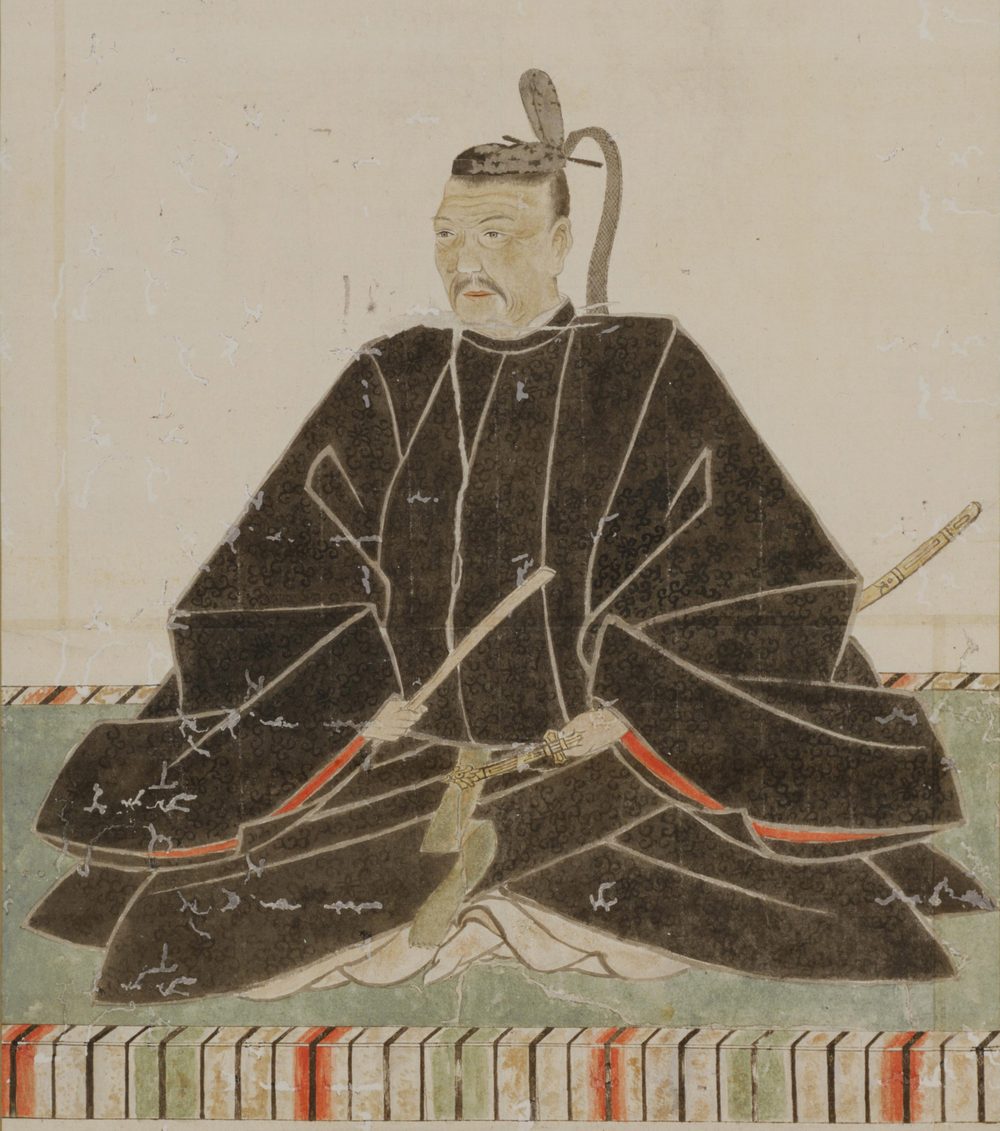
The family branched. Nagamasa’s third son founded a line that moved to Akō in Harima Province in 1645, and it was this small branch that history remembers. Senior retainers of the house carried the Asano name as well. The Mihara Asano, hereditary chief retainers of Hiroshima, kept their own crest, a pestle, but wore the crossed hawk feathers on formal occasions when they stood in for the lord. It is a good illustration of what a crest was: less a family’s private badge than a sign of whose house you served.
A sword drawn in the shogun’s palace
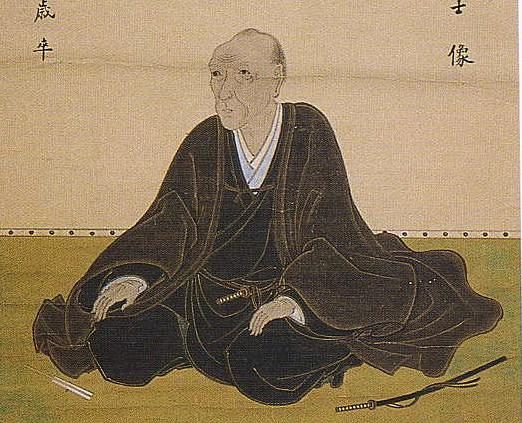
A branch of the family held the small domain of Akō in Harima Province. In April 1701 its lord, Asano Naganori, drew his short sword inside Edo Castle and wounded Kira Yoshinaka, a senior official responsible for court ceremony. Drawing a blade in the shogun’s castle was a capital offense.
Naganori was ordered to commit seppuku that same day. Kira was not punished. Akō was confiscated, and some three hundred Asano retainers became rōnin, samurai without a lord. Why Naganori attacked Kira has never been established; he gave no clear reason, and the records do not supply one.
The forty-seven
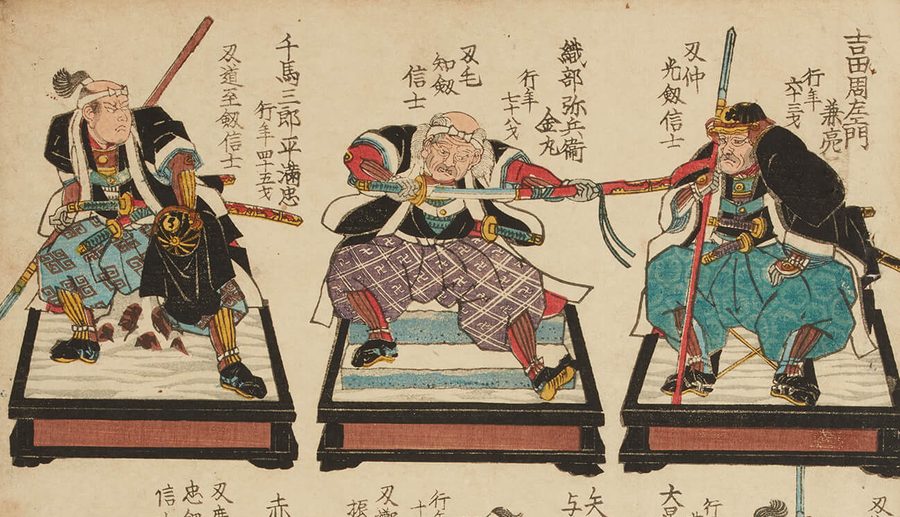
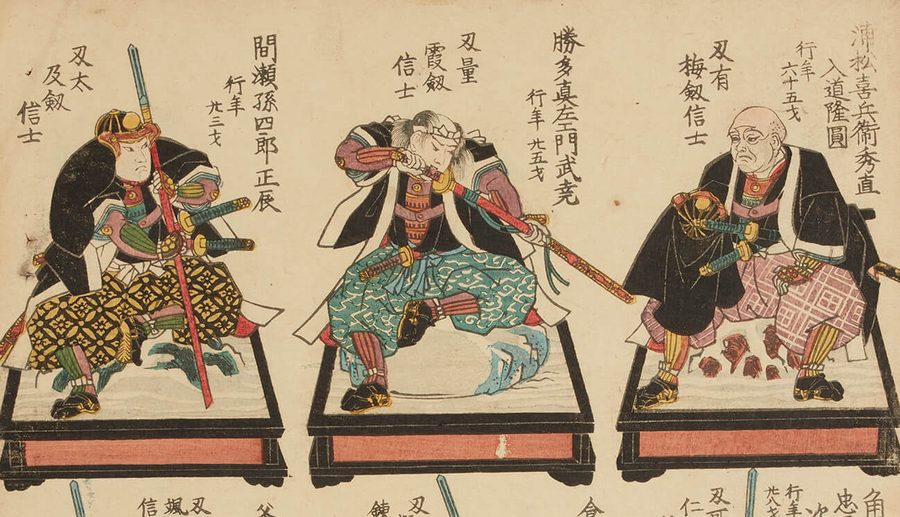
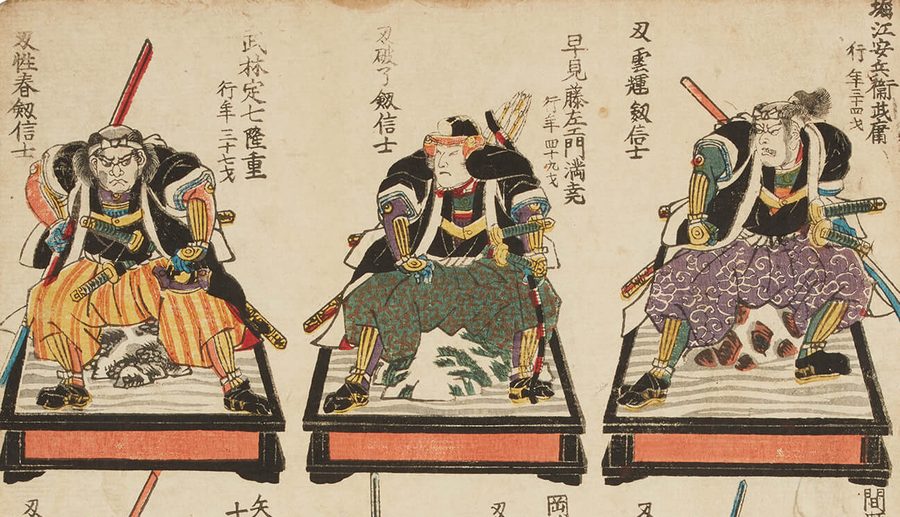
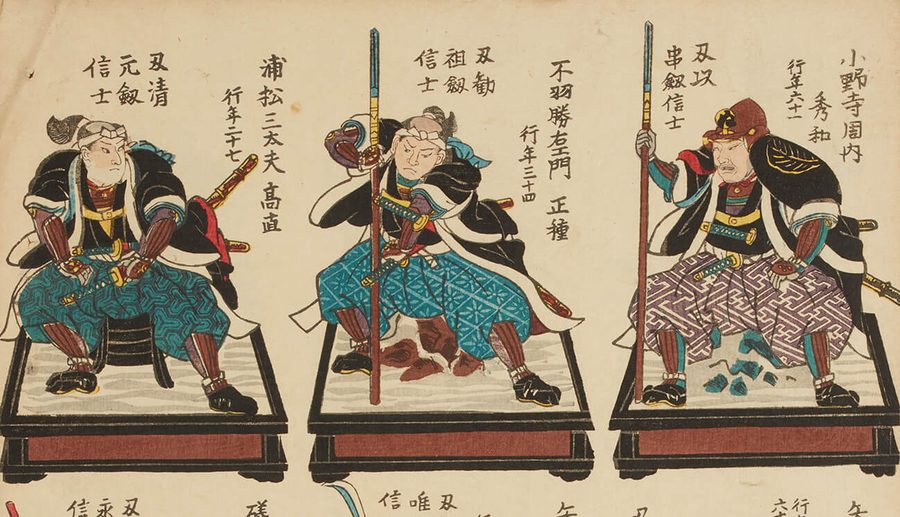
Led by Ōishi Kuranosuke, the domain’s senior retainer, a group of Asano’s former men first petitioned to have the house restored. When that failed, they planned in secret. Before dawn on 30 January 1703, forty-seven of them attacked Kira’s residence in Edo, killed him, and carried his head to their lord’s grave at the temple of Sengaku-ji.
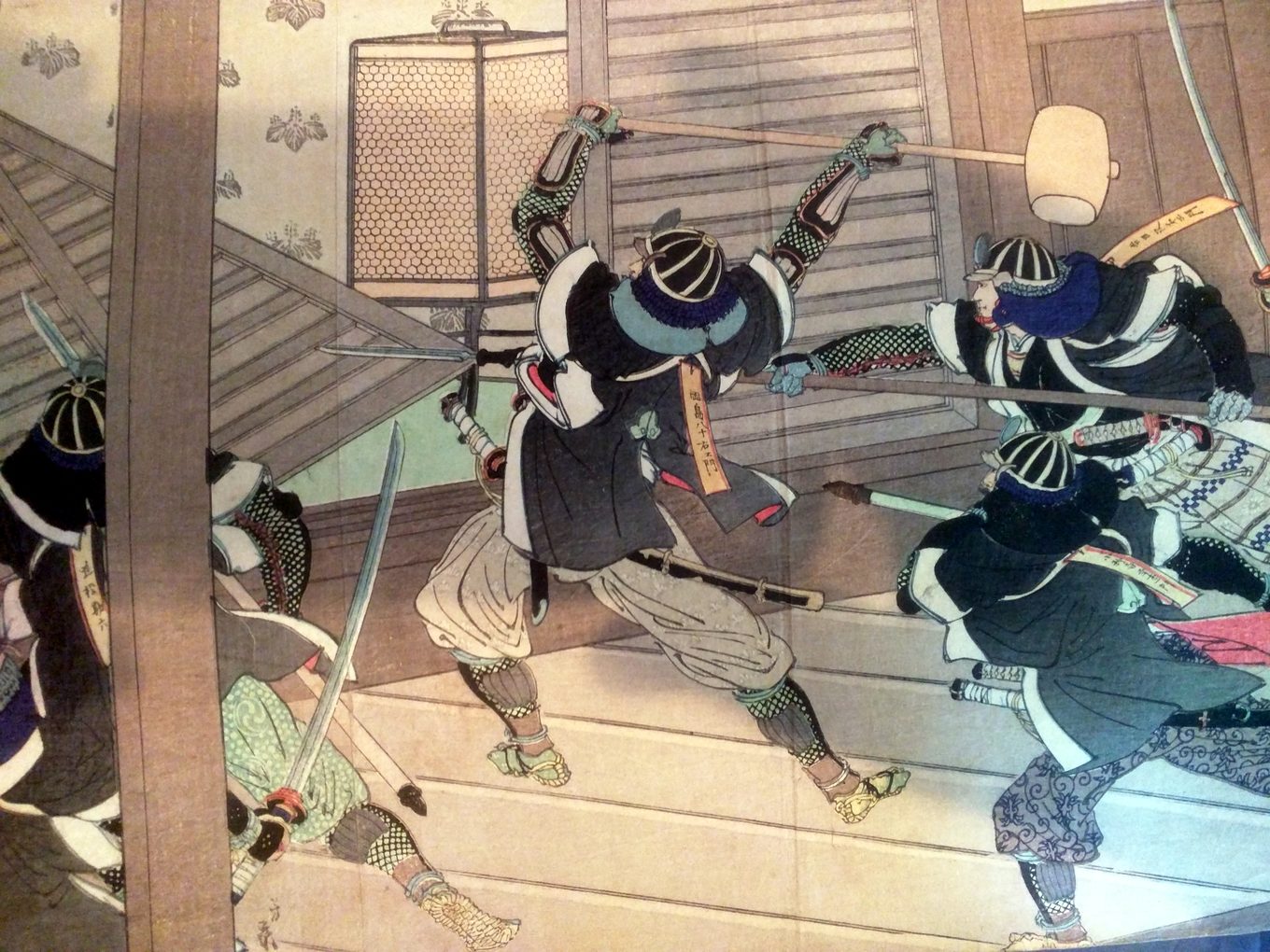
Then they gave themselves up. The shogunate debated for weeks; scholars argued over whether they had shown loyalty or broken the law. In the end the men were permitted to die by seppuku, an honorable sentence, and they were buried beside their lord at Sengaku-ji, where visitors still leave incense.
How they came to be remembered
Within weeks a thinly disguised version was on stage. In 1748 the puppet play Kanadehon Chūshingura set the definitive version, and the tale, known as Chūshingura, has been retold in kabuki, film and television ever since. It remains the best-known story of loyalty in Japan.
The retellings reshape the facts. Only forty-six of the men died by seppuku; the forty-seventh, Terasaka Kichiemon, left the group after the attack for reasons historians still debate. Kira is often drawn as a villain who provoked the attack, which the record does not show.
The Asano in the record
Dates are firm where a contemporary source fixes them. Where they rest on inference or tradition, the marker is open.
- 1221Mino
A claimed beginning
The date the family later gave for its founding. The genealogy is doubtful.
- 1583Ōmi
Nagamasa becomes a lord
Hideyoshi grants him his first domain.
- 1598Toyotomi court
A senior commissioner
Asano Nagamasa is among Hideyoshi’s five commissioners.
- 1619Hiroshima
Lords of Hiroshima
The main line takes Hiroshima, and holds it until 1871.
- 1645Harima
The Akō branch
A branch line founded by Nagamasa’s third son moves to Akō.
- 170121 April
The attack in Edo Castle
Naganori wounds Kira and is ordered to die the same day.
- 170330 January
The night attack
Forty-seven former retainers kill Kira and carry his head to Sengaku-ji.
- 170320 March
The sentence
The men are permitted to die by seppuku and are buried beside their lord.
- 1748Osaka
Kanadehon Chūshingura
The play that fixed the story in popular memory.
Record and legend
Few Japanese stories have been retold as often as Chūshingura. The retellings add a great deal. Here is where the record stands.
The sources support
- Hawk feather crests were borne by many warrior families, the Asano among them.
- Asano Naganori attacked Kira Yoshinaka in Edo Castle in 1701 and was ordered to die the same day.
- His former retainers, led by Ōishi Kuranosuke, killed Kira in early 1703.
- The men were permitted seppuku and are buried with their lord at Sengaku-ji.
Often repeated, not settled
- Why Naganori attacked Kira.
- That Kira provoked or insulted him.
- That all forty-seven died by seppuku. Forty-six did.
- That the ring form of the crest was the Asano’s own. Families used several forms.
- That the Asano descend from the Minamoto.
Why we honor them
A crest carried by many families, and made famous by men who stayed loyal after there was nothing left to be loyal to.
Loyalty that outlasted the lord.The Akō retainers had lost their master, their domain and their income. They owed nothing to anyone. They kept faith anyway, planned for nearly two years, and accepted the price.
A warrior’s emblem.The hawk was the warrior’s bird and its feathers fletched the warrior’s arrows. The crest is a weapon-maker’s crest before it is anything else.
The discipline of the long wait.The attack took one night. The planning took the better part of two years, most of it spent doing nothing that would draw attention. The result depended on the preparation.
We keep to the record.The legend of the forty-seven is larger than the record, and this page separates the two. The men need no embellishment.
The Takanoha Edition
The Takanoha Edition carries maru ni chigai takanoha, the crossed hawk feathers in a ring.
Each is built on a Sharps Bros. Showdown billet lower, with a hand-finished menpō mask at the magwell. Both documented rifles run gold TiN barrels, and the crest is laid in gold foil.

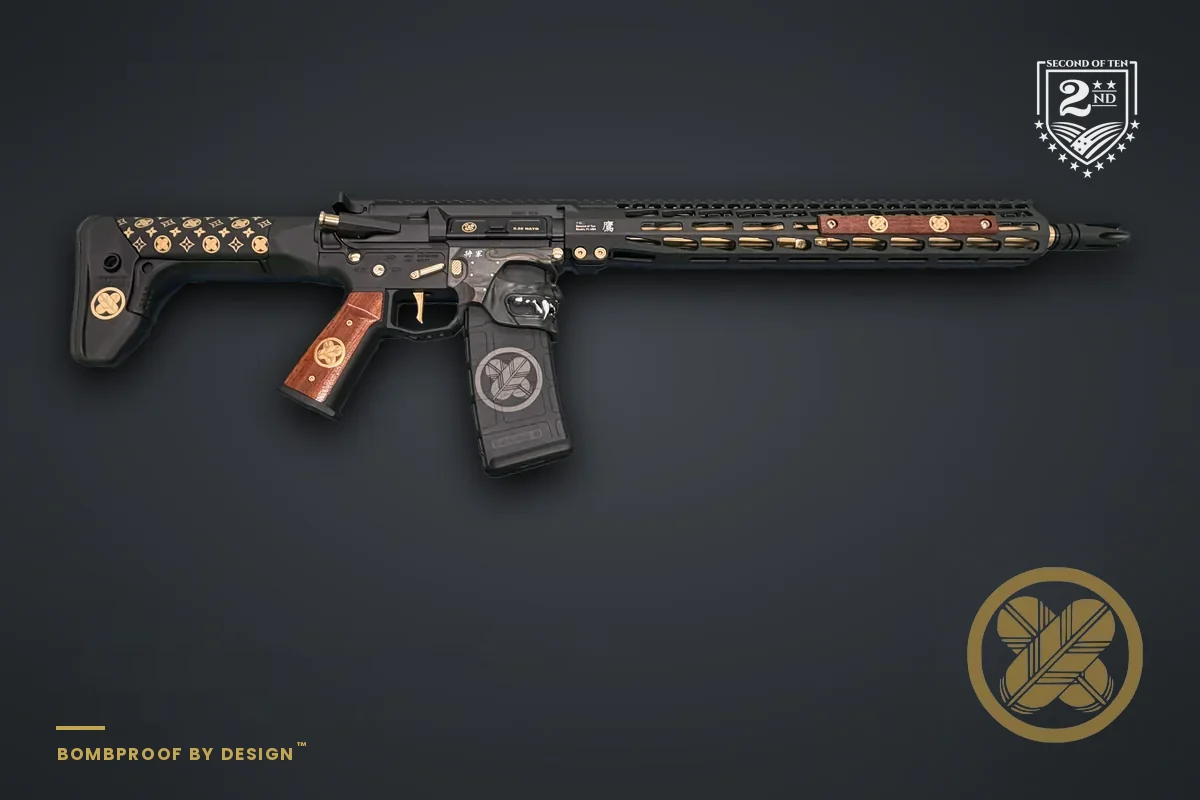
Rifle, gold monogram
Gold TiN barrel, green menpō, Brazilian cherry rail panels carrying their own 14K gold foil mon, and a gold monogram stock.
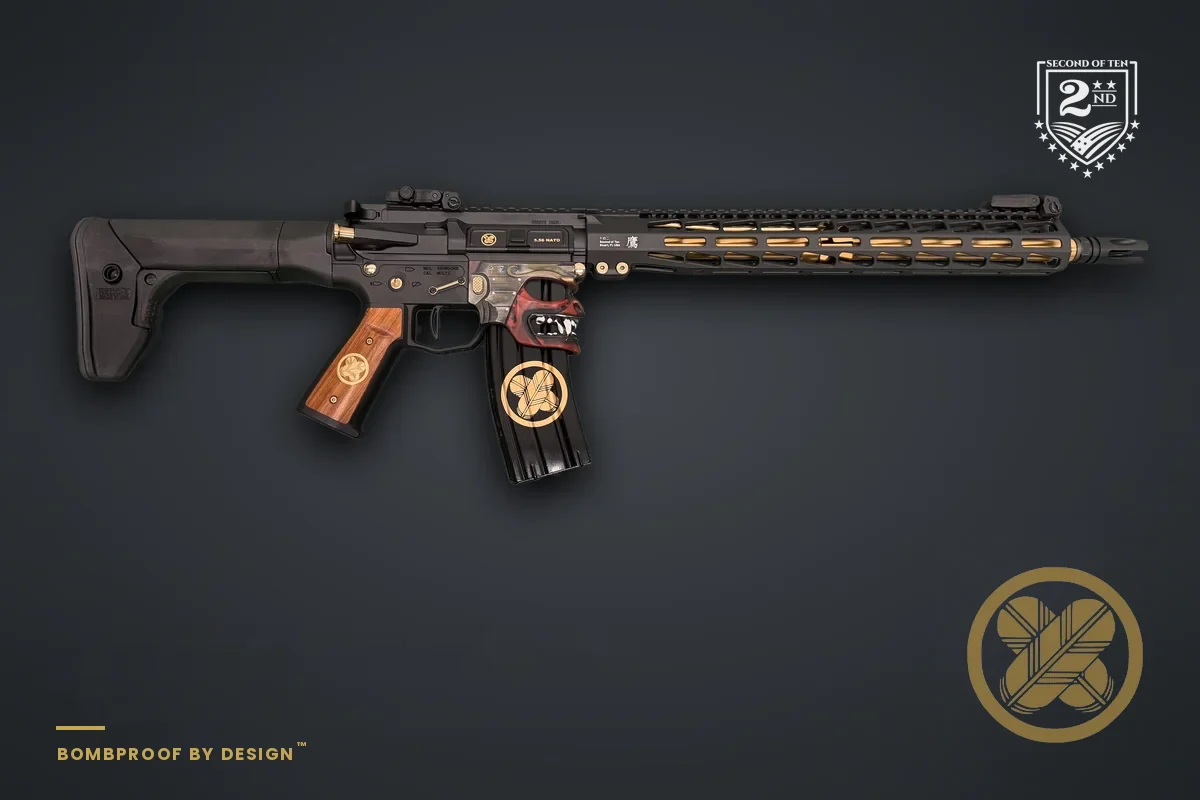
Rifle
Gold TiN barrel on a mid-length gas system, red menpō, GUNTEC anti-walk pins in 18K heavy gold, cased with an E-Lander steel magazine, its laser-engraved mon plated in 24K gold.
Showdown lower
Built on the Sharps Bros. Showdown billet lower, like every Samurai Series edition.
Hand finished
Each menpō mask is finished by hand, so no two are identical.
Limited
Built in limited numbers as part of the Samurai Series.
Sources and further reading
- Henry D. Smith II, “The Trouble with Terasaka: The Forty-Seventh Rōnin and the Chūshingura Imagination,” Nichibunken Japan Review 16 (2004).
- Bitō Masahide, “The Akō Incident, 1701–1703,” Monumenta Nipponica 58:2 (2003).
- “Asano clan,” Wikipedia.
- “Asano Naganori,” Wikipedia.
- “Forty-seven rōnin,” Wikipedia.
- “Asano-shi,” Nihon Daihyakka Zensho and Sekai Daihyakka Jiten, via Kotobank (Japanese).
- Mihara City Historical Museum newsletter, July 2012, on the Mihara Asano crest (Japanese).
- Hakkō Daiōdō kamon reference, on hawk feather crests and the families that bore them (Japanese).
The forty-seven have been the subject of plays, novels and films for three centuries, and many details in them are invented. Where this page states a fact, it rests on the sources above.