
Samurai Series/Tokugawa/History
Who were the Tokugawa?
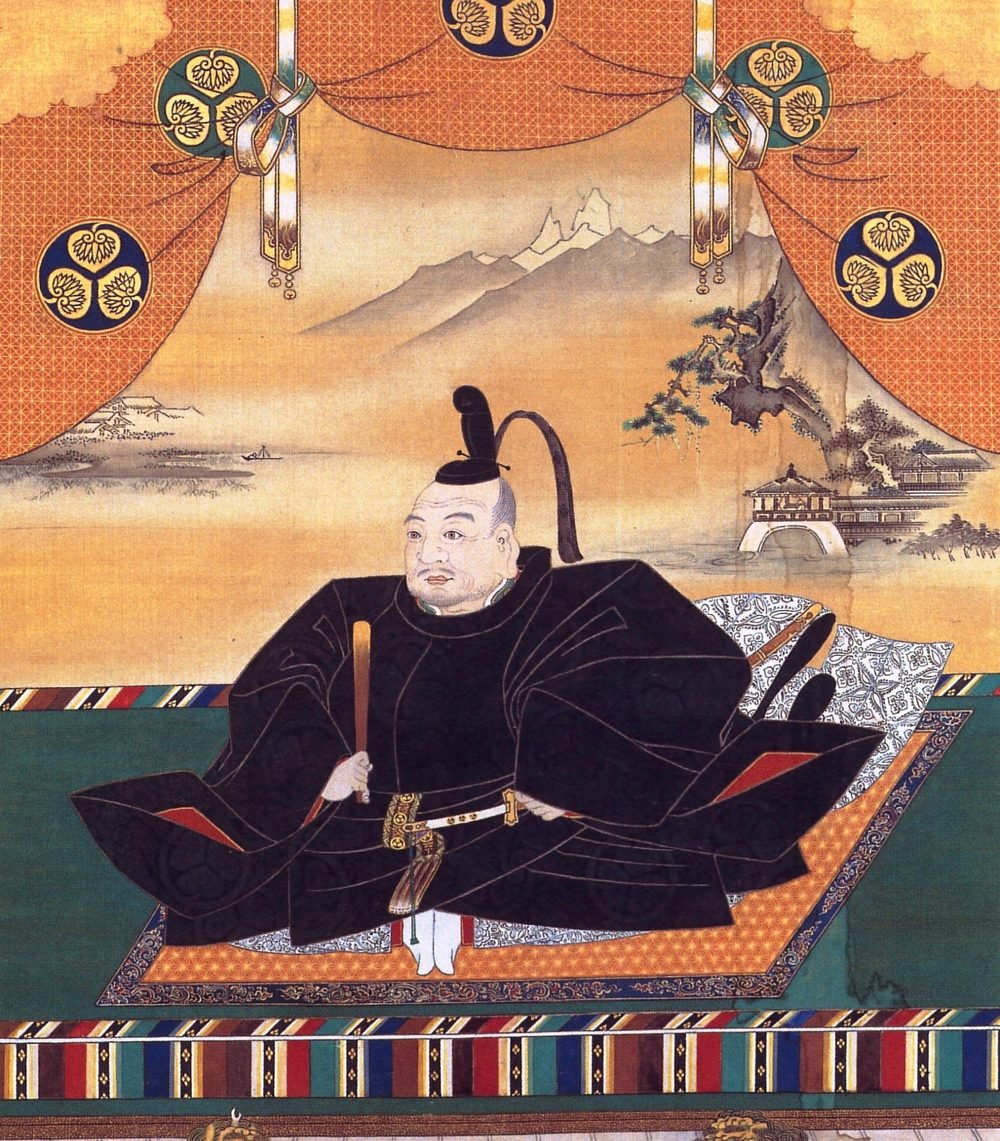
A minor family from Mikawa Province that outlasted every rival, ended a century of civil war and governed Japan for two hundred and sixty-five years. The crest on our edition was theirs.
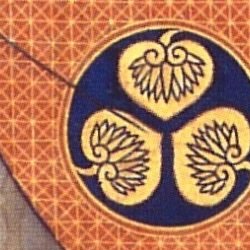
The Tokugawa Edition carries maru ni mitsuba aoi, three leaves inside a ring. For two and a half centuries it was the emblem of the government of Japan, and no family outside the Tokugawa line was permitted to use it.
The man who made it so, Tokugawa Ieyasu, began life as a hostage in other men’s households. He finished it as the founder of a dynasty that kept the peace until 1867.
The Tokugawa are among the best-documented families in Japanese history, but their own account of their origins is not. This page keeps to what historians accept and says where the family story and the record part ways.
A small family on the edge of great ones
The Tokugawa began as the Matsudaira, a family of local warriors in Mikawa Province, in what is now eastern Aichi Prefecture. In the sixteenth century they were squeezed between two far larger neighbors, the Imagawa to the east and the Oda to the west.
The family later traced its descent to the Minamoto, the great warrior lineage of Japan’s medieval shoguns, through the Nitta branch. Historians treat that genealogy as doubtful; the early history of the family is largely unknown, and the claim served a purpose, since only a man of Minamoto descent was traditionally eligible to be shogun.
The boy who was traded
Ieyasu was born in 1543 as Matsudaira Takechiyo. As a child he was sent away as a hostage to guarantee his father’s loyalty, first falling into the hands of the Oda and then spending years in the Imagawa household at Sunpu.
He was freed by the Imagawa defeat at Okehazama in 1560, when Oda Nobunaga destroyed a much larger Imagawa army. Ieyasu went home, allied himself with Nobunaga, and in 1567 received imperial permission to take the surname Tokugawa.
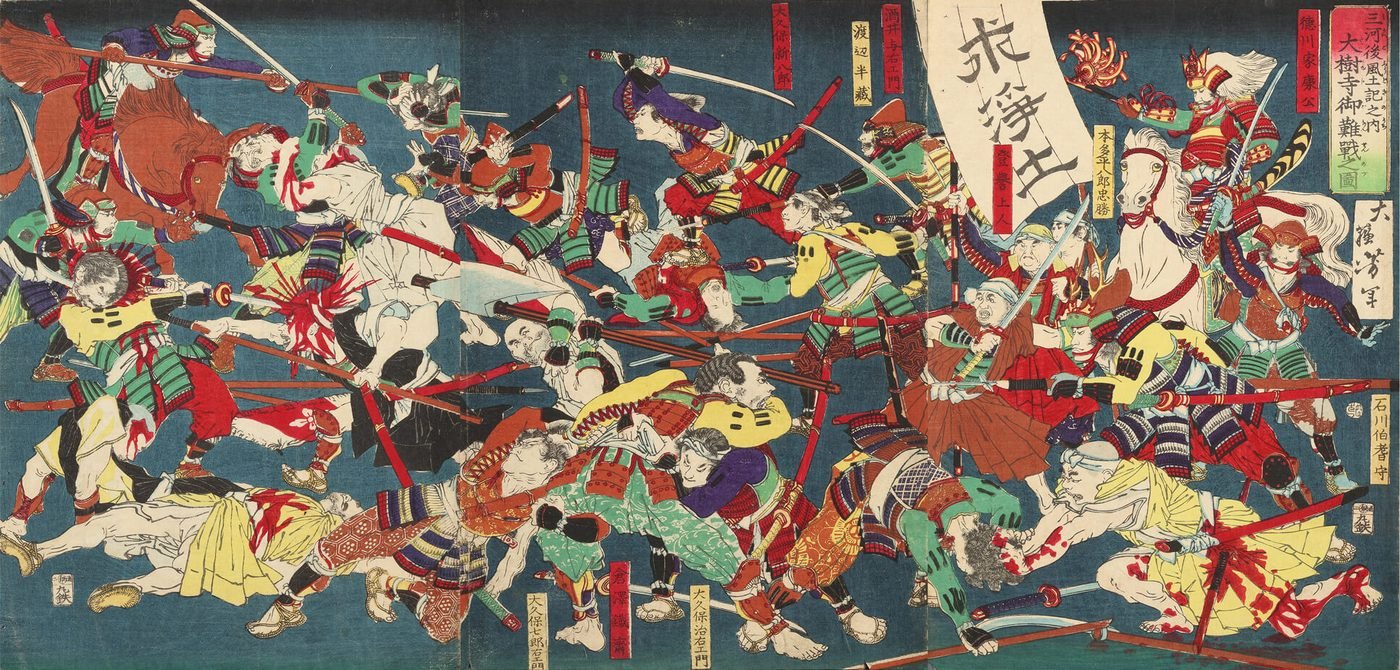
Tokugawa tradition adds a darker scene to that escape. Pursued after Okehazama, the young lord took refuge at Daiju-ji, his family’s temple near Okazaki, and meant to take his own life before his ancestors’ graves. The abbot talked him out of it, the temple held off his pursuers, and the words the abbot gave him, “leave this defiled world, seek the Pure Land,” became his battle standard. The story comes from the family’s own chronicles, written long after, and was retold for centuries.
Beside Nobunaga
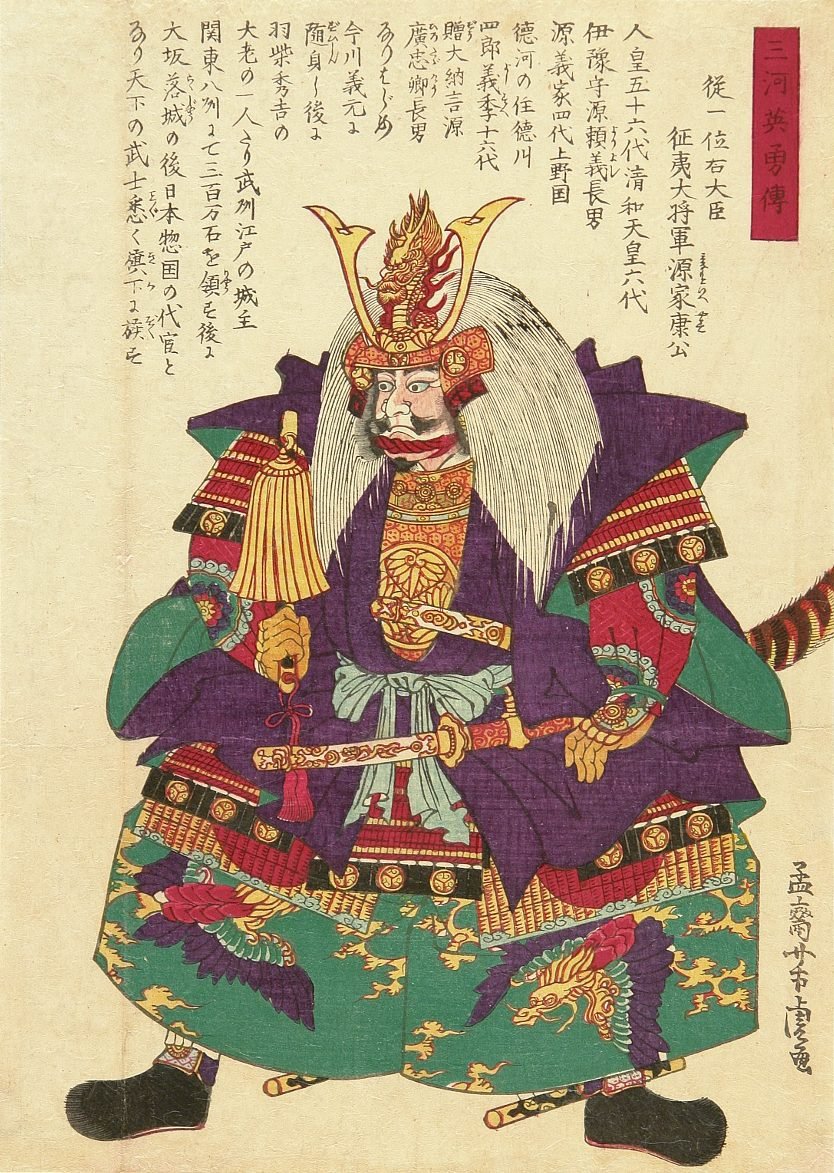
For twenty years Ieyasu fought as Nobunaga’s ally. At Nagashino in 1575 their combined army broke the cavalry of the Takeda clan from behind field defenses, with arquebusiers playing a central part. It became one of the best-known battles of the period, and one of the first in which firearms decided the day, though historians still argue over how the guns were actually used.
When Nobunaga was killed at Honnō-ji in 1582, Ieyasu was near Sakai with a small escort and in serious danger. He escaped home through the mountains of Iga, a crossing remembered in Tokugawa tradition as one of the great perils of his life.
Patience, then one decisive day
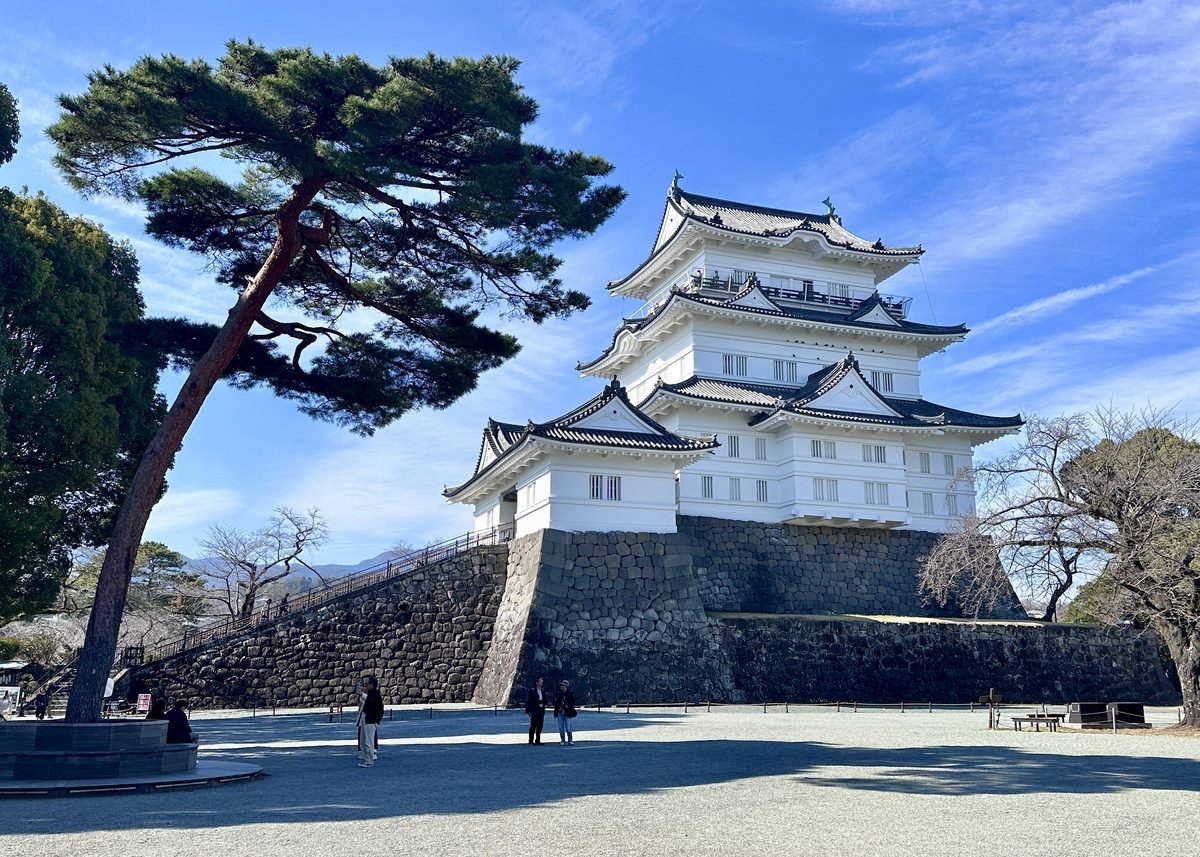
Ieyasu came to terms with Nobunaga’s successor, Toyotomi Hideyoshi, and in 1590 accepted a transfer to the Kantō plain. He made his headquarters at Edo, then a modest castle town. It is now Tokyo.
The move followed Hideyoshi’s siege of Odawara that same year, which destroyed the Hōjō, the family that had ruled the Kantō for five generations. Their lands went to Ieyasu, and with them the largest domain of any lord in Japan.
After Hideyoshi died, the great lords divided into two camps. At Sekigahara in October 1600, Ieyasu’s eastern army won the battle that settled the question. In 1603 the emperor appointed him shogun, and in 1615 the fall of Osaka Castle ended the last serious challenge to his house.
Two hundred and sixty-five years
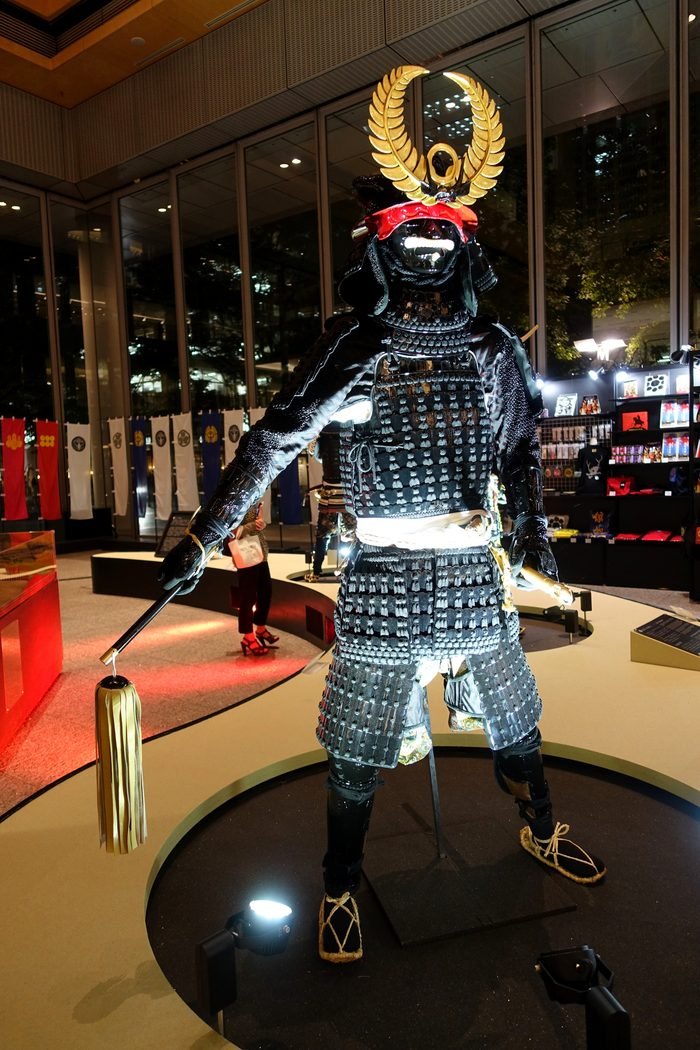
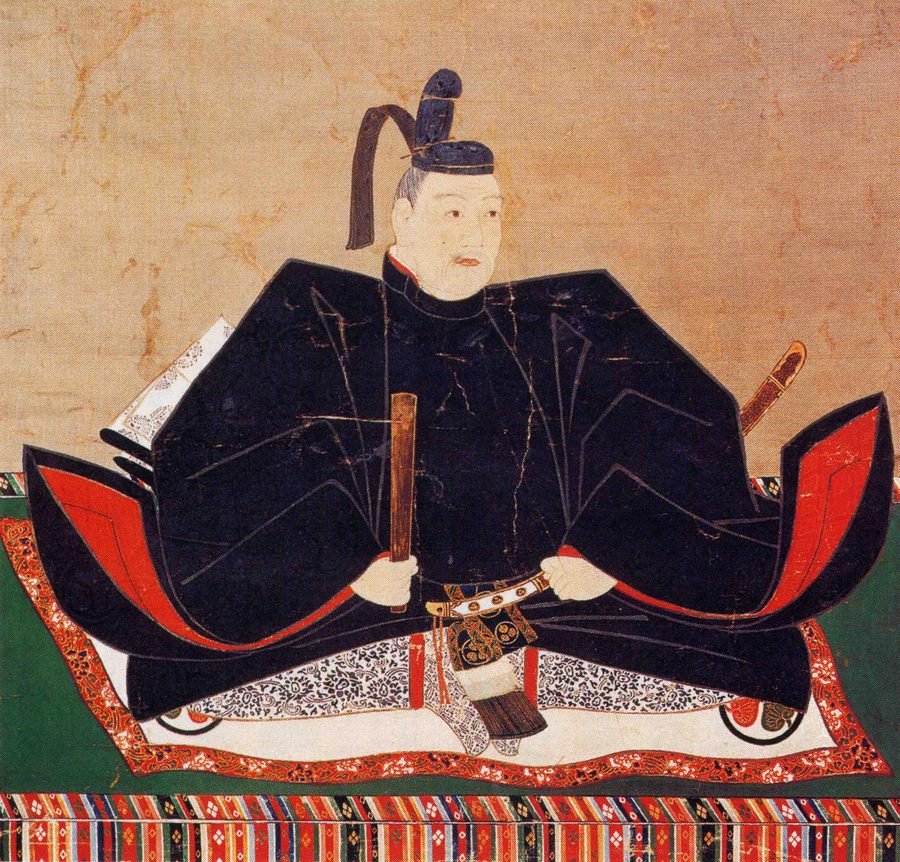
Fifteen Tokugawa shoguns governed Japan from Edo. Their system bound the great lords to the capital, kept the realm at peace for more than two and a half centuries, and turned Edo into one of the largest cities in the world. The era is so closely identified with the family that historians often call it the Tokugawa period.
Ieyasu secured the succession early. In 1605, only two years after taking the title, he passed it to his son Hidetada while keeping real power in retirement, so that by his death in 1616 the office was already a family inheritance.
It ended in 1867, when the fifteenth shogun, Tokugawa Yoshinobu, returned governing authority to the emperor. The Meiji Restoration followed. The family itself did not end; it continues today.
Maru ni mitsuba aoi
The Tokugawa crest is usually called the hollyhock in English, but the plant is aoi, a wild ginger. It is the sacred plant of the Kamo shrines of Kyoto, and the Matsudaira shared their crest with the Kamo family, which is one reason some historians suspect the Matsudaira’s real roots lay there rather than with the Minamoto.
Once the family ruled, the crest became theirs alone. During the Edo period only the Tokugawa and their branch houses were permitted to use it. Each spring a messenger carried aoi from the Kamigamo shrine to Edo for the shogun, a ritual that drew on the shared plant. A well-known story holds that Ieyasu was offered a new crest by the emperor and kept his own; it is repeated often and may be true, but it is a story.
The Tokugawa in the record
Dates are firm where a contemporary source fixes them. Where they rest on inference or tradition, the marker is open.
- 1543Mikawa
Ieyasu is born
Born Matsudaira Takechiyo into a minor warrior family.
- 1560Okehazama
Freed from the Imagawa
Nobunaga’s victory releases him. Tradition places his refuge at Daiju-ji here. He returns to Mikawa and allies with the Oda.
- 1567Name
Becomes Tokugawa
Receives imperial permission to take the surname.
- 1575Nagashino
Victory with Nobunaga
Oda and Tokugawa arquebusiers help break the Takeda.
- 1582Iga
Escape after Honnō-ji
Crosses the Iga mountains to safety after Nobunaga’s death.
- 1590Edo
Odawara falls; moves to the Kantō
Receives the Hōjō lands and makes the castle town of Edo his base.
- 1600Sekigahara
The decisive battle
The eastern army wins; the realm is his.
- 1603Shogun
Appointed shogun
The Tokugawa shogunate begins.
- 1605Succession
Hidetada becomes shogun
Ieyasu passes the title to his son and rules from retirement.
- 1615Osaka
Osaka Castle falls
The last Toyotomi challenge ends.
- 1867Kyoto
Power returned
Yoshinobu, the fifteenth shogun, returns governing authority to the emperor.
Record and legend
The Tokugawa wrote much of their own history, and later drama added more. Here is where the record stands.
The sources support
- Ieyasu was born a Matsudaira in Mikawa and spent part of his childhood as a hostage.
- He fought as Nobunaga’s ally for two decades, including at Nagashino.
- He won at Sekigahara in 1600 and was appointed shogun in 1603.
- Fifteen Tokugawa shoguns governed until 1867.
- The three-leaf crest was restricted to the Tokugawa houses during the Edo period.
Often repeated, not settled
- That the family descended from the Minamoto.
- That the plant on the crest is a hollyhock. It is a wild ginger.
- The exact tactics of the arquebusiers at Nagashino.
- That Ieyasu refused an imperial crest in favor of his own.
- The details of his night at Daiju-ji, known from the family’s own later chronicles.
Why we honor them
The Tokugawa did not win the most battles. They built the thing that lasted.
Built to endure.Ieyasu’s rivals were more brilliant and more feared. What he built outlasted all of them by two and a half centuries. That is the standard we hold our own work to: not the most impressive on the first day, but the one still standing at the end.
Patience as a discipline.Hostage, junior ally, vassal to a rival: for forty years Ieyasu waited, prepared and chose his moment. Sekigahara took a single day because everything before it had been done properly.
A family at the turn of the firearm.The Tokugawa rose in the decades when the gun changed Japanese warfare, and Nagashino, fought beside Nobunaga, is one of the battles that showed it. A crest from that moment belongs on a rifle.
We keep to the record.The Tokugawa Edition carries the three leaves because they are the family’s own mark. Where the family’s account of itself is doubtful, this page says so.
The Tokugawa Edition
The Tokugawa Edition carries maru ni mitsuba aoi, the crest of the shogun’s house. For two and a half centuries it was the most restricted emblem in Japan.
It is the gold edition of the Samurai Series. Every Tokugawa is gold plated, with a hand-finished menpō mask at the magwell of a Sharps Bros. Showdown billet lower.

Rifle with tanto
Gold TiN barrel and gold plate throughout, red menpō, and a matching limited edition tanto with a midare hamon in a plain brown koshirae. Cased as a set.

Rifle
Gold TiN barrel on a carbine-length gas system, blue menpō, 14K maki gold mon on the grip, cased with two crest-marked magazines.

RECCE Rifle
Polished TiN barrel on a mid-length gas system, red menpō, gold plated throughout. The lightweight reconnaissance configuration.
Gold only
The Tokugawa Edition is built in gold plate only. There is no nickel Tokugawa.
Hand finished
Each menpō mask is finished by hand, so no two are identical.
Limited
Built in limited numbers as part of the Samurai Series, on a Sharps Bros. Showdown billet lower.
Sources and further reading
- Conrad Totman, Tokugawa Ieyasu: Shogun, Heian International, 1983.
- Kamo Wakeikazuchi Jinja (Kamigamo Jinja), Japan Tourism Agency multilingual commentary, on the aoi crest and the aoi messenger.
- “Tokugawa clan,” Wikipedia.
- “Kamo clan,” Wikipedia.
- Tsukioka Yoshitoshi, The Difficult Battle at Daijuji Temple, 1873, Philadelphia Museum of Art, 1978-129-232a–c.
- “Battle of Nagashino,” Wikipedia.
Much of the Tokugawa story was written by the family’s own historians, and later drama added more. Where this page states a fact, it rests on the sources above.